About Us


Jan Haizmann, Secretary General ZETA
Marcel Steinbach, Senior Vice President, Head of Group Regulatory Affairs, SEFE
Mohamad El Nahi, Co-founder & CEO, NGX Global
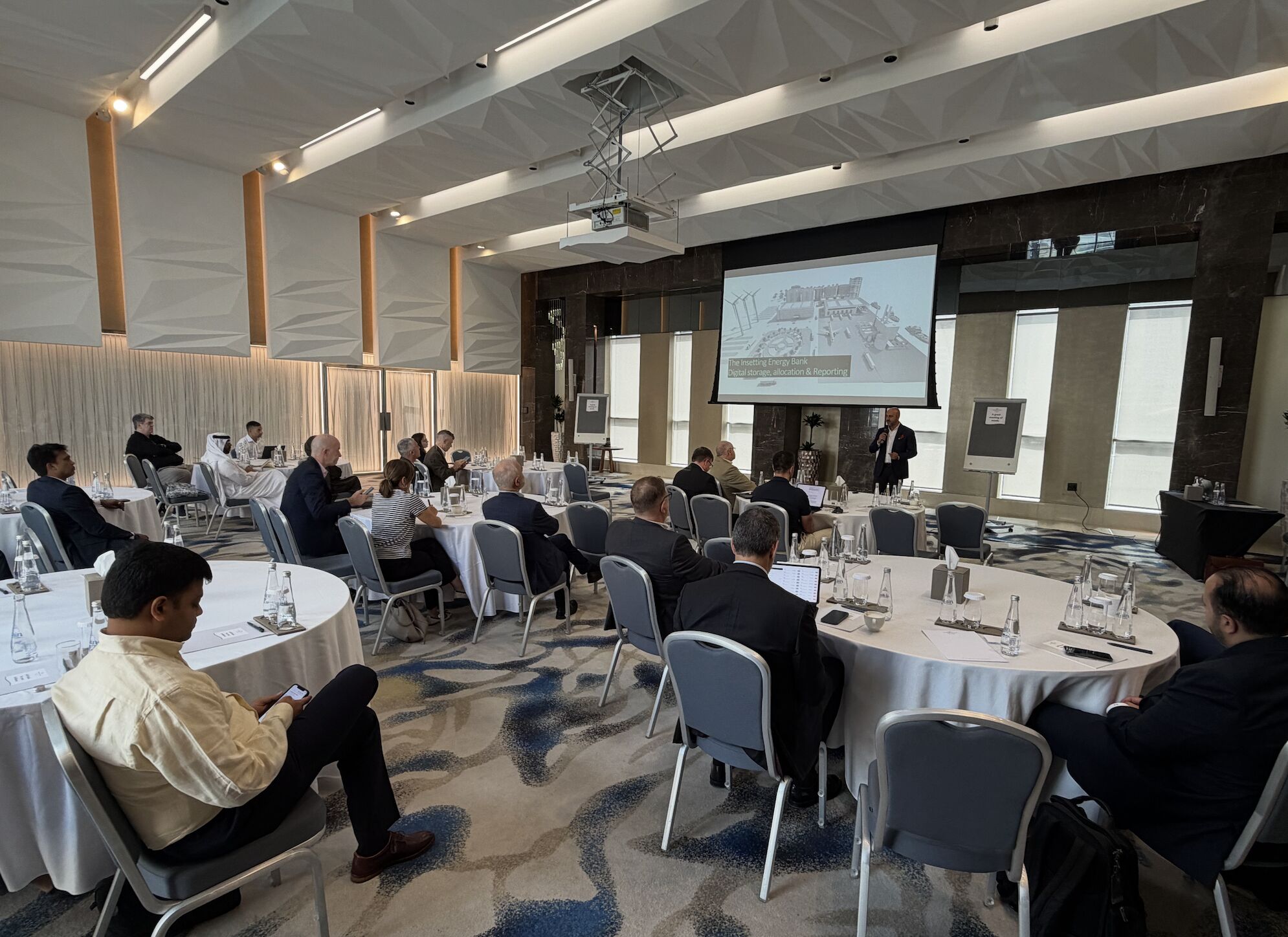
This week in Dubai, ZETA (Zero Emissions Traders Alliance) hosted a roundtable bringing together two business leaders who are tackling one of the most critical aspects of sustainability: supply chains.
Marcel Steinbach, Senior Vice President and Head of Group Regulatory Affairs at SEFE Securing Energy for Europe GmbH, shared his experience as an energy trader managing activities across the full value chain from origination and trading to sales, transport, and storage.
Reflecting on his visits to LNG suppliers worldwide, Marcel noted that traders today think far beyond FOB terms; they’re building partnerships.“That’s the life of a trader. We’re trying to manage all of these different systems.” While SEFE remains a major player in natural gas and LNG, Marcel emphasized their transition towards green fuels: “The oil and gas industry is a sunset industry; you need an exit strategy.” Hydrogen is central to that strategy. SEFE is building the core hydrogen grid in Germany and planning pipelines to deliver clean fuels to demand centers. Marcel sees the Middle East and Brazil as the next potential producers and exporters but at a cost target of €5/kg or below to stay competitive.
Mohamad El Nahi, co-founder & CEO of NGX Global, presented a digital-first approach to sustainable supply chains. NGX, a UAE-based climate-tech company, builds infrastructure to help organizations monitor, manage, and monetize environmental data. “If I invest in a sustainability project, and I cannot show you its impact in your value chain, then part of that investment is lost.
That’s what we focus on.” Through advanced digital MRV (Measurement, Reporting & Verification) systems and tools like the Energy Bank, NGX Global enables companies to trace renewable energy use and assign environmental benefits even down to a single EV charger. “It’s a simple problem, but the solution is not simple because it’s very granular,” Mohamad explained. “We’re applying the ISO 22095 chain of custody model in digital energy flow management, and we go very granular and techy to make it work.”
Both perspectives, from a global energy trader and a digital innovator, highlight the same message: 👉 Sustainable supply chains are not just the backbone of the energy transition; they’re where value is created. ✨
A big thank you to everyone who joined our roundtable and to our speakers, Marcel Steinbach and Mohamad El Nahi, for sharing their valuable insights, as well as to Jan Haizmann and Paul van Son for their excellent moderation.